

Accounts Receivable vs Debt Collection: Key Differences

Accounts Receivable vs Debt Collection: Key Differences
Key Takeaways
- Accounts receivable is the in-house function for tracking and collecting invoices; debt collection recovers overdue accounts that resist internal effort.
- Both functions share one goal, getting paid, but differ in timing, ownership, cost structure, and the legal tools available to each.
- Overdue debt loses recoverable value as it ages, so escalating to collections at the right moment protects more of what you are owed.
- Contingency-based collection means a business pays a percentage only on funds recovered, which aligns the agency’s incentive with the client’s result.
- At Southwest Recovery Services, we recover past-due B2B invoices nationwide on a contingency-only basis, protecting client relationships across trucking, logistics, contractors, and oil & gas.
Where In-House Invoice Management Ends and Debt Recovery Begins
Accounts receivable and debt collection share one goal: turning unpaid invoices into cash. They sit at different stages of that effort. Accounts receivable is the internal function that issues invoices, sets payment terms, tracks due dates, and follows up on balances the business expects to collect in the normal course of trade. Debt collection recovers accounts that have already turned delinquent. A third-party agency usually handles it, using skip tracing, persistent outreach, and a route to legal action when voluntary payment fails.
The two differ in who owns the work, what it costs, and which tools each can use. Accounts receivable is internal overhead. Commercial collection is paid as a percentage of what it recovers. Timing is decisive, and this is especially true for small businesses, where cash flow gaps hit hardest. Overdue debt loses value the longer it sits, so knowing when to keep an account in-house and when to place it with an agency directly affects how much you get back.
|
Southwest Recovery Services: Get Your Money Back 22+ Years Experience | Texas-Based | Contingency Only – You Pay When We Collect
Built for Commercial Collections:
The SWRS Difference: ✓ Contingency only – no upfront costs Trust & Results You Need: Nationally recognized ethical collections agency with 12 offices across seven states. Compliance-first approach with no threats or guarantees. |

What Is Accounts Receivable?
Accounts receivable (AR) is the money customers owe a business for goods or services already delivered but not yet paid for. As a function, it covers everything from issuing the invoice to recording payment: setting credit terms, sending the bill, tracking due dates, and following up on balances that slip past them.
It sits inside the company, usually within finance or accounting, and treats unpaid invoices as expected assets rather than problem debt. Most AR activity is routine relationship management: reminders, statements, and short grace periods for customers the business wants to keep serving.
What Is Debt Collection?
Debt collection recovers payment on delinquent accounts, meaning balances a customer has failed to pay despite the normal billing cycle. It can happen in-house, but it most often refers to third-party agencies that specialize in commercial collections and consumer debt recovery. A collection agency brings skip tracing, persistent multichannel outreach, negotiation experience, and, when necessary, a route toward legal action.
Commercial collection usually runs on a contingency model. The agency earns a percentage of what it recovers, commonly 10% to 25% for commercial accounts, and nothing if it collects nothing. The risk shifts away from the creditor.
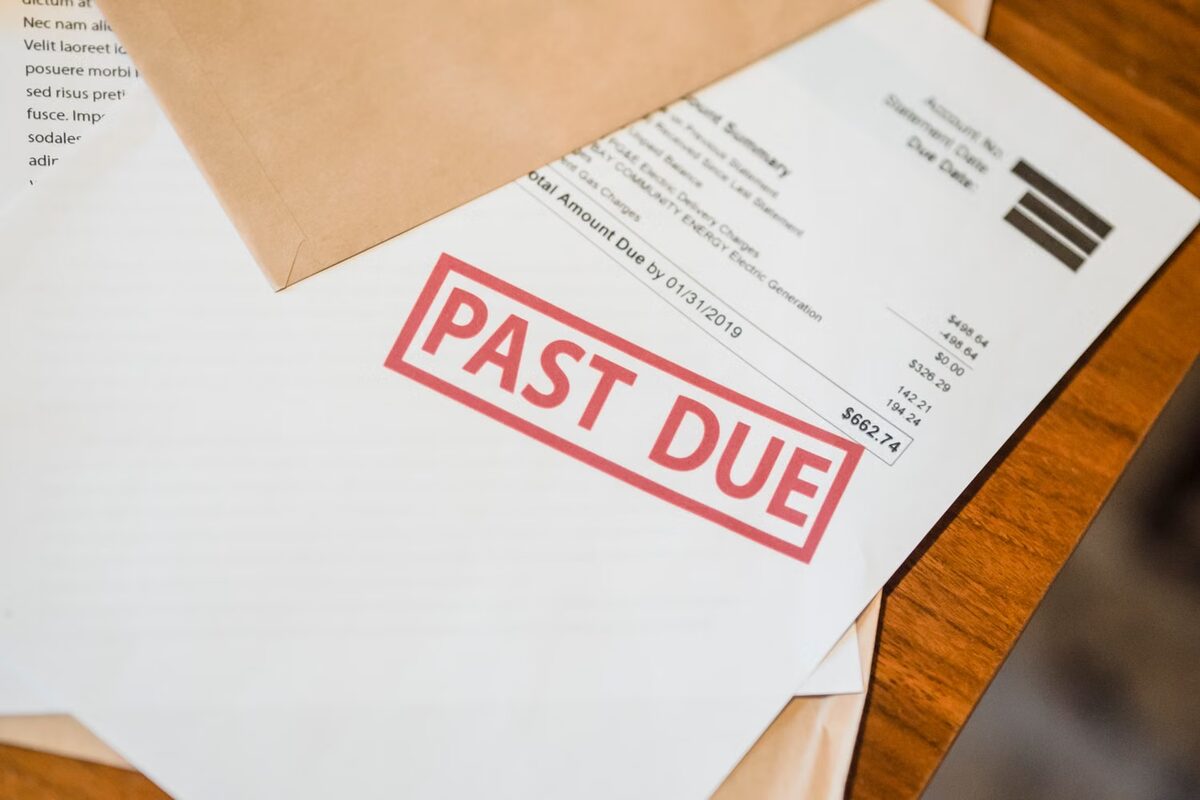
Accounts Receivable vs Debt Collection: Differences
The core difference is stage and intent. Accounts receivable manage money that a business reasonably expects to receive. Debt collection pursues money that has become doubtful.
Everything else follows from that split: who handles the account, what it costs, the tone, and the legal tools each can use. What a business pays for collection within the typical range depends on the debt’s age, size, and volume, with fresher accounts at the lower end. The table further down breaks the rest down attribute by attribute.
How the Process Works for Each
The Accounts Receivable Process
The accounts receivable cycle runs on a predictable schedule, with the team escalating only as the balance ages. The typical steps are:
- Issue the invoice with defined payment terms, commonly net 30, 60, or 90 days, and log the receivable.
- Send reminders as the due date approaches, then issue a statement if payment runs late.
- Follow up more directly with emails and phone calls, and sometimes place a hold on future orders.
- Close the account once the balance is paid or written off internally.
The tone stays cooperative throughout, because the relationship is expected to continue.
The Debt Collection Process
Debt collection begins where internal effort ends. Once a creditor places an account, the agency works through a structured recovery sequence:
- Validate the balance and locate the right contact through skip tracing.
- Open structured outreach across phone, email, text, and mail.
- Document and negotiate, recording every promise to pay and pursuing either full repayment or a settlement the creditor approves.
- Escalate when needed, recommending credit reporting or legal action if voluntary resolution fails on a high-value account.
A reputable agency keeps the process compliant and professional. Aggressive tactics damage both recovery odds and the creditor’s reputation.
When to Use Accounts Receivable vs Debt Collection

The deciding factor is usually time and responsiveness. Keep an account in accounts receivable while the customer is responsive, and the invoice is current or only modestly overdue. Routine reminders resolve most of these. Escalate to debt collection when payment promises fall through, contact goes silent, or an account is well past 90 days.
For the specifics of that timing, including when an overdue account is worth handing to an agency and the point where in-house effort stops paying off, see our guides on collecting delinquent accounts and the minimum debt amount worth sending to collections.
Waiting has a measurable cost. Citing a Commercial Collection Agency Association survey, MetCredit reports that a debt loses more than 10% of its recoverable value at 30 days overdue, about 18.7% at 60 days, and nearly a third by 90 days. Holding out for six months can forfeit roughly half. Because the odds fall as accounts age, the practical rule is simple: exhaust reasonable internal follow-up quickly, then place the account while it is still collectible, before it drifts toward a write-off.
Accounts Receivable vs Debt Collection: Comparison Table
|
Attribute |
Accounts Receivable |
Debt Collection |
|
Stage |
Current or recently due invoices |
Delinquent, past-due accounts |
|
Who handles it |
Internal finance/AR team |
Usually a third-party agency |
|
Primary goal |
Collect expected payments on time |
Recover doubtful or overdue debt |
|
Cost model |
Staff time and software (fixed overhead) |
Contingency fee, commonly around 10% to 25% of the amount recovered |
|
Tone |
Cooperative, relationship-focused |
Professional but firmer, resolution-focused |
|
Legal tools |
Reminders, statements, informal negotiation |
Demand letters, credit reporting, possible litigation |
|
Best when |
Account is current and the customer is responsive |
Account is 90+ days overdue or contact has stalled |
Why Southwest Recovery Services Leads in Commercial Debt Recovery
About Southwest Recovery Services
Southwest Recovery Services, LLC is a nationally recognized leader in Financial Business Process Outsourcing headquartered in Addison, Texas with 11 other locations throughout Texas as well as Colorado, Georgia, Missouri, Florida, Oklahoma, and Ohio. Our advisors are standing by and ready to help keep you from unnecessary financial shortfalls.
Accounts receivable and debt collection are consecutive stages of getting paid, not competing approaches. The businesses that recover the most know when an account has outgrown internal follow-up. That is where our accounts receivable management steps in, recovering past-due B2B invoices nationwide while protecting the customer relationships our clients have spent years building.
For 22+ years, our veteran collectors have treated commercial recovery as a professional, compliance-first process. Our contingency model means no upfront cost, so you pay only when we collect. If an overdue account is draining your cash flow, request a free quote and let us recover what your business is owed.
Frequently Asked Questions (FAQs)
When should I move an invoice from accounts receivable to collections?
Place the account once the customer stops responding, payment promises break down, or the balance pushes past 90 days with internal reminders stalled. Recoverable value drops steadily as a debt ages, so acting early protects more of what you are owed. As a rule, work the invoice in-house while the customer is engaged, then escalate the moment that engagement breaks.
How much does commercial debt collection cost?
Most commercial agencies work on contingency: a percentage of what they recover, commonly 10% to 25%, and nothing if they collect nothing. The exact rate depends on the debt’s age, size, and volume, with fresher and larger accounts at the lower end. Because there is no upfront fee, the cost only ever comes out of money you would not otherwise have seen.
Will using a collection agency damage my relationship with the customer?
A professional agency works to protect it. Reputable commercial collectors use firm but respectful, business-to-business outreach because aggressive tactics lower recovery odds and harm your reputation. Many customers continue doing business with a creditor after a professionally handled collection, especially when the goal is a workable repayment rather than a confrontation.
What information do I need to provide to place an account?
Typically, the original invoice or signed contract, the debtor’s current contact details, a record of payments already made, and any correspondence about the debt. The more complete the documentation, the faster an agency can validate the balance, locate the right contact, and begin recovery.
What makes Southwest Recovery Services different from other commercial collection agencies?
At Southwest Recovery Services, we combine 22+ years in business and 100+ years of combined collections experience with a contingency-only model, so our clients pay nothing upfront and only when we collect. Our veteran collectors use respectful, omnichannel outreach backed by AI-guided tracking, clear reporting on every account, and daily founder involvement, with 12 offices across seven states.
Note: Recovery rates mentioned are for general reference only and not guaranteed. Actual results vary by account and industry. Contact Southwest Recovery Services for a customized quote.


Maximize Your Cash Flow
We make it fast and easy to refer past due and delinquent accounts to our professional recovery agents. You decide the range on what you will accept on each case, and you ONLY pay a percentage of what we actually collect to resolve the case. Ready to get started, or want to learn more? Fill out this form and a dedicate account manager will call you to get started.