- Make A Payment (866) 558-3328
- Client Portal
- Consumer Support
 Providing Creative Solutions to Common Problems
Providing Creative Solutions to Common Problems
Providing Creative Solutions to Common Problems

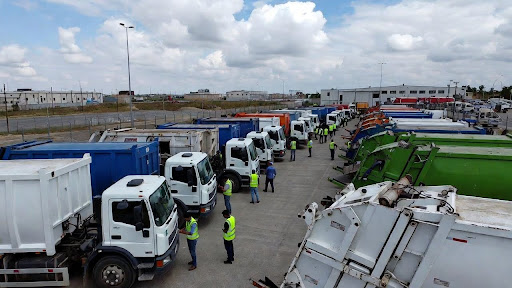
In the waste management industry, you provide essential services that keep businesses and communities running smoothly. However, getting paid for those services presents challenges most other industries don’t face. You haul commercial trash and recycling, manage roll-off containers, and handle specialized waste streams—all while extending credit terms that customers don’t always honor.
When a commercial customer falls 60 or 90 days behind on a monthly waste service bill, you’re facing a difficult decision. Do you continue service and risk accumulating more debt, or do you pull containers and potentially lose the account permanently? Meanwhile, disputed charges over contamination fees, overage penalties, or weight-based billing create additional friction that delays payment even when the customer isn’t truly avoiding their obligation.
The operational reality makes internal collections particularly challenging. Your dispatchers and route managers are focused on logistics and service delivery, not chasing down payments. Your office staff handles scheduling and customer service calls, but they lack the specialized training and legal knowledge needed to pursue seriously delinquent accounts. By the time an account reaches 90 or 120 days past due, you need professionals who understand both commercial debt recovery and the specific structure of waste management billing.
|
Southwest Recovery Services: Get Your Money Back 20+ Years Experience | Texas-Based | Contingency Only – You Pay When We Collect
Built for Commercial Collections:
The Southwest Recovery Difference: ✓ Contingency only – no upfront costs ✓ Veteran collectors with respectful omnichannel outreach ✓ Priority sectors: trucking, logistics, contractors, oil & gas ✓ Clear reporting on account status and outcomes Trust & Results You Need: Nationally recognized ethical collections agency with 12 offices across six states. Compliance-first approach with no threats or guarantees. |
Understanding Waste Management Collection Costs
Most waste management collection agencies operate on a contingency fee structure. This means you pay nothing unless they successfully recover your money, aligning the agency’s interests with yours and eliminating financial risk.

Contingency rates for waste management collections typically fall between 10% and 25% of amounts recovered. Several factors determine where your accounts land within that range. Fresh accounts under 90 days past due generally command lower percentages because they’re easier to collect. Customers at this stage often just need persistent professional contact to prioritize your invoice. Accounts aged beyond 180 days require more intensive work, including skip tracing to locate businesses that have moved or closed, and these harder cases justify higher contingency rates.
The size of individual balances also affects pricing. A commercial customer owing $25,000 for six months of waste service might warrant a 15% contingency rate, while a $2,500 account could require 25% because smaller balances generate less revenue to support collection efforts. Volume matters too. If you’re placing 20 or 30 accounts monthly, many agencies will negotiate better rates than they’d offer for sporadic placements.
Professional agencies follow a systematic approach when pursuing your delinquent accounts. The process begins with a thorough documentation review. Solid documentation significantly improves recovery chances by establishing clear proof that services were rendered and payment is legitimately owed.

Initial contact typically starts with formal demand letters sent to the business address and any email addresses on file. These letters establish a paper trail and notify the debtor that the account has been placed with a collection agency. Professional collectors then follow up with phone calls to reach decision-makers, email outreach to accounts payable departments, and sometimes text messages if that’s the only responsive channel.
Many waste management debts involve disputes that require negotiation rather than simple payment demands. A customer might claim they were overcharged for contaminated recycling, that weight-based billing doesn’t match their records, or that service quality didn’t meet contract terms. Experienced collectors know how to work through these disputes, often by reviewing service records with both you and the customer to identify legitimate charges versus billing errors. Sometimes a small adjustment or payment plan makes the difference between full recovery and a total write-off.
When standard collection efforts fail, and the balance justifies legal action, agencies can coordinate with attorneys who specialize in commercial collections. Depending on your state, waste haulers may have specific lien rights or other legal remedies beyond standard contract claims.
Waste management debt collection is primarily governed by state laws and industry standards. Because the federal Fair Debt Collection Practices Act (FDCPA) focuses on consumer debt rather than business obligations, it does not strictly apply here; however, many professional agencies follow FDCPA guidelines as a best practice. Furthermore, several states have enacted parallel statutes that extend similar protections to commercial debtors.
State regulations vary considerably in how they treat waste hauler collection rights. Some states grant waste management companies specific lien rights against commercial properties where services were provided. These liens can provide powerful advantages in collection negotiations, but they come with strict filing deadlines and notice requirements.
Contractual terms in your service agreements affect what collection actions are available. If your contracts include attorney fee provisions, you can potentially recover legal costs if you ultimately need to sue. Liquidated damages clauses for early termination or equipment damage provide additional collection advantage. Personal guarantees from business owners create collection options beyond the business entity itself. Professional agencies review these contract terms carefully because they determine which collection strategies are legally available.
Continuing to provide service after accounts become delinquent creates legal complications that other industries don’t face. If you keep hauling trash for a customer who owes $10,000, they might later argue you’ve waived your right to collect the older debt by continuing the service relationship.
Before involving an agency, you should have sent payment reminders at 30 and 60 days past due, made direct phone contact with the accounts payable department, documented all collection attempts in your system, and sent a final notice warning that the account will be placed for collection.
If a commercial customer suddenly stops all communication and you can’t reach anyone at the business, if you find out that the business has closed or relocated without notice, if the customer files for bankruptcy protection, or if you learn of other creditors actively pursuing collection against the same debtor, professional help becomes urgent.

Account size also influences placement decisions. A $500 past-due invoice might not justify collection agency involvement unless you’re placing multiple accounts. A $15,000 delinquent balance almost always warrants professional collection efforts because the potential recovery justifies the contingency fee.
At Southwest Recovery Services, we specialize in utility collections, including waste management receivables. We understand the unique billing structures, service relationships, and regulatory environment that distinguish waste management from other commercial debt.
Our contingency-only model means you face zero financial risk. We charge no upfront fees, no monthly retainers, and no costs unless we successfully recover your money. You only pay when we put cash back in your account.
With offices across seven states, we combine local market knowledge with national reach. We maintain the infrastructure to pursue recovery effectively. Our multi-channel outreach approach uses phone calls, emails, formal correspondence, and, when necessary, skip tracing to locate customers who’ve moved or closed without updating their information.
We prioritize relationship preservation. We understand that today’s delinquent account often becomes tomorrow’s paying customer once their financial situation improves. Our professional, respectful communication style recovers debts without burning bridges. We handle disputes fairly, work with customers to establish realistic payment arrangements, and maintain the dignified approach that protects your business reputation.
Our secure client portal provides 24/7 access to account status, collection activities, and payment tracking. You stay informed about every account without needing to call for updates.
Professional waste management collection agencies typically operate on contingency fees ranging from 10–25% of recovered amounts. You pay nothing up front and only compensate the agency when they successfully collect your debt. The exact percentage depends on account age, balance size, and complexity.
Waste management companies operate under the same contract law principles as other commercial businesses, but some states grant specific lien rights for unpaid waste services provided to commercial properties. However, waste hauler liens come with strict filing deadlines and notice requirements that vary by state.
Most collection professionals recommend engaging outside help after 90 days of non-payment, following reasonable internal collection attempts. Before involving an agency, send payment reminders at 30 and 60 days past due, make direct phone contact, and issue a final notice warning of collection placement. Certain situations warrant immediate agency involvement regardless of account age, such as finding out that the business has closed or relocated, learning of bankruptcy filings, or finding that other creditors are actively pursuing the same debtor.
Yes, experienced collection agencies regularly resolve billing disputes involving contamination fees, weight-based charges, equipment damage claims, and service quality disagreements. Agencies specializing in waste management understand industry-specific dispute patterns and know which adjustments are reasonable versus which represent customers simply avoiding legitimate obligations.
Why should waste management companies choose Southwest Recovery Services for debt collection?
At Southwest Recovery Services, we bring over 20 years of specialized utility collection experience, including extensive work with waste haulers and environmental services companies. We understand the unique challenges of weight-based billing, contamination disputes, municipal contract requirements, and the service relationships that define your industry. Our contingency-only pricing eliminates all financial risk, meaning you invest nothing unless we successfully recover your debt. Our compliance-first approach protects your business from legal exposure, while our relationship-focused communication style preserves the customer connections that drive future revenue.
*Note: Recovery rates mentioned are for general reference only and not guaranteed. Actual results vary by account and industry. Contact Southwest Recovery Services for a customized quote.



We make it fast and easy to refer past due and delinquent accounts to our professional recovery agents. You decide the range on what you will accept on each case, and you ONLY pay a percentage of what we actually collect to resolve the case. Ready to get started, or want to learn more? Fill out this form and a dedicate account manager will call you to get started.