

What is Court Ordered Debt Collections?

What is Court Ordered Debt Collections?
Key Takeaways
- Court-ordered debt collections involve recovering debts mandated by a court judgment, including fines, restitution, and penalties from civil lawsuits or criminal cases.
- The collection process begins after a court judgment specifies the debt amount, followed by notices to the debtor and escalating enforcement measures, such as wage garnishments, asset seizures, or additional fees if voluntary payment fails.
- Contingency-based collection agencies typically charge between 10% and 25% of the successfully recovered amount, meaning businesses pay only when the debt is collected, with no upfront costs or risk.
- Specialized agencies like Southwest Recovery Services (SWRS) combine legal expertise, AI-guided tracking, and compliance-first operations to recover court ordered debts efficiently while maintaining professional standards.
- Partnering with SWRS for judgment collections provides businesses with experienced collectors and advanced recovery tools on a contingency-only basis.
Understanding Court-Ordered Debt Collections
Court-ordered debt collection represents a distinct category of debt recovery in which a court has legally mandated that an individual or business pay a specific amount. These debts carry significant weight because they’re backed by judicial authority.
Court-ordered debts are particularly common in industries such as trucking and logistics, where freight disputes escalate into litigation, as well as in contracting, oil and gas services, and property management, where unpaid invoices for completed work often require legal resolution.
They arise from various scenarios, such as civil lawsuits between businesses, which often result in judgments when one party prevails in contract disputes, unpaid invoice cases, or breach-of-agreement cases. Criminal restitution orders require convicted individuals to compensate victims for financial losses. Government agencies secure judgments for unpaid taxes, regulatory fines, or penalties.
The defining characteristic of court-ordered debt is its legal enforceability. Once a judgment is entered, creditors gain access to collection mechanisms unavailable for regular debts, including wage garnishments, bank account levies, property liens, and asset seizures.
|
Southwest Recovery Services: Get Your Money Back 22+ Years Experience | Texas-Based | Contingency Only – You Pay When We Collect
Built for Commercial Collections:
The Southwest Recovery Difference: ✓ Contingency only – no upfront costs ✓ Veteran collectors with respectful omnichannel outreach ✓ Priority sectors: trucking, logistics, contractors, oil & gas ✓ Clear reporting on account status and outcomes Trust & Results You Need: Nationally recognized ethical collections agency with 12 offices across six states. Compliance-first approach with no threats or guarantees. |

The Court-Ordered Debt Collection Process
Initial Judgment & Notice
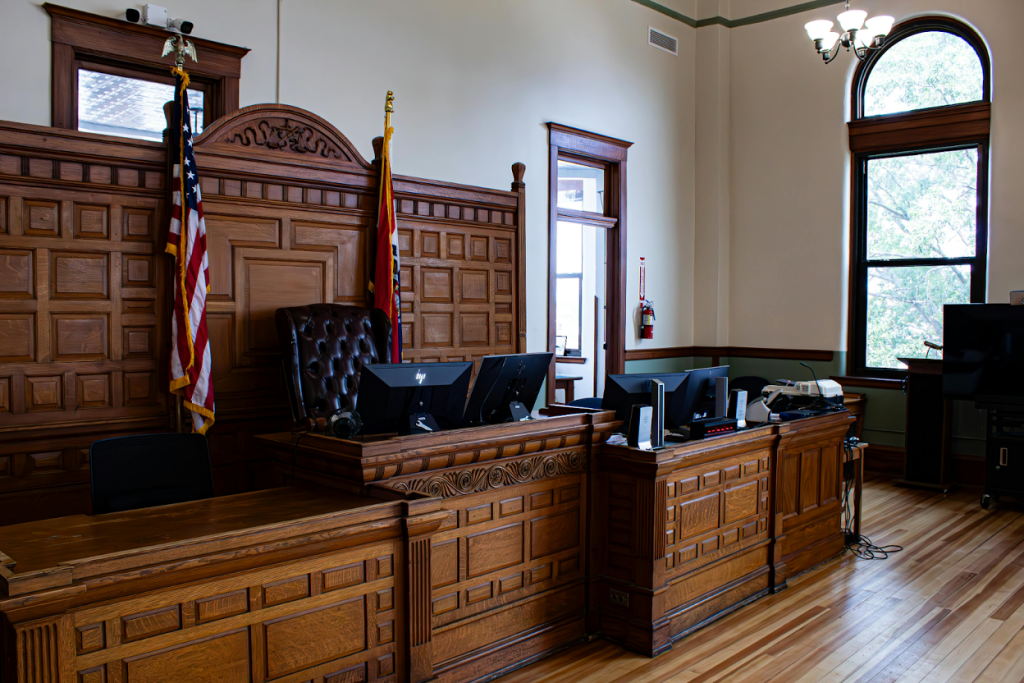
The process begins when a court issues a judgment specifying the exact amount the debtor owes. This judgment becomes a matter of public record and establishes the creditor’s legal right to collect. Courts typically send official notices to the debtor outlining the obligation, payment deadlines, and available options for satisfying the debt.
Debtors usually receive information about voluntary payment plans, lump-sum settlement options, and the consequences of non-compliance. Many judicial systems prefer voluntary compliance and structure their initial communications to encourage debtors to arrange payment before more aggressive collection measures become necessary.
Voluntary Payment Period & Escalation
Following the judgment, most courts allow a period for voluntary payment. During this timeframe, debtors can establish payment arrangements that avoid additional fees and enforcement actions. If the debtor responds during this voluntary period, they may negotiate payment terms that fit their financial situation while satisfying the court’s requirements.
When voluntary payment efforts fail, courts often refer the debt to specialized collection programs or authorized recovery centers. These entities have enhanced authority to pursue collection through more aggressive legal means. These specialized programs frequently add cost recovery fees on top of the original judgment amount, with standard fees adding 10–25% to cover administrative costs and collection efforts.
Enforcement Actions & Remedies
Court-ordered debt collection provides creditors with powerful enforcement tools. Wage garnishment allows creditors to collect directly from the debtor’s paycheck, typically up to 25% of disposable income, depending on state law.
Bank accounts are levied, and funds are frozen and seized from the debtor’s financial accounts. Property liens attach to real estate, preventing the sale or refinancing of the property until the debt is satisfied.
Despite the legal weight behind court-ordered debts, debtors retain certain rights throughout the collection process. If a debtor believes that proper procedures weren’t followed, they can request a due process hearing to determine whether the collection process complied with legal requirements.
Legal Framework & Compliance Considerations
Court-ordered debt collection operates within a complex legal framework designed to balance creditor rights with debtor protections. While the Fair Debt Collection Practices Act (FDCPA) primarily governs third-party collection of consumer debts, many states have additional regulations specifically addressing judgment enforcement and court-ordered collections.
Collection agencies pursuing court-ordered debts must understand jurisdiction-specific requirements for garnishment procedures, exemption laws protecting certain income and assets, notification requirements before enforcement actions, and statutes governing interest accrual on judgments.

Professional collection agencies specializing in judgment recovery bring essential expertise in dealing with these legal complexities. They understand which collection methods are permissible in each jurisdiction, how to properly execute garnishments and levies, when additional court orders are required, and how to maintain compliance while pursuing aggressive collection strategies.
Why Businesses Partner with Collection Agencies for Judgment Recovery
Even with a court judgment in hand, many businesses find that collecting court-ordered debts requires specialized expertise, resources, and persistence that distract from core operations, and professional collection agencies bring several advantages to judgment recovery.
Legal Expertise & Compliance
Specialized knowledge of legal collection procedures ensures that enforcement actions are correctly executed and compliant. Agencies understand the documentation requirements, court filing procedures, and jurisdictional variations that can make or break recovery efforts.
Debtor Location & Asset Investigation
Skip-tracing capabilities help locate debtors who relocate to avoid payment, using databases and investigative techniques unavailable to most businesses. Asset investigation services identify bank accounts, employment information, real estate holdings, and other assets that can be leveraged for collection. Professional collectors know how to conduct these investigations legally and efficiently.
Multi-Channel Communication & Reduced Administrative Burden
Collection agencies can implement persistent, multi-channel outreach that combines phone calls, written correspondence, email, and text messaging to maintain consistent pressure on payment.
They also handle the administrative burden of judgment enforcement. Filing garnishment paperwork, coordinating with employers and financial institutions, monitoring payment compliance, and pursuing additional legal remedies all require significant staff time that businesses can better allocate to revenue-generating activities.
Performance-Based Partnership Model
Perhaps most importantly, agencies working on a contingency basis align their success directly with client results. When the agency is paid only upon successful collection, its motivation to pursue every available recovery avenue aligns perfectly with the creditor’s interest.
Partner with Southwest Recovery Services for Court-Ordered Debt Collections
When businesses have secured court judgments but struggle to collect on them, Southwest Recovery Services (SWRS) provides specialized expertise that transforms legal victories into recovered revenue. With 22+ years of experience in judgment collections, we understand the challenges of enforcing court-ordered debts across multiple jurisdictions.
We operate exclusively on a contingency-only model with no upfront costs, and this risk-free approach ensures that pursuing court-ordered debts doesn’t create additional expenses without corresponding results. Contingency fees typically range from 10% to 25% of recovered amounts, depending on account age and complexity.
We employ veteran collectors who bring specialized knowledge of legal enforcement procedures, combining professional persistence with compliance-first operations that protect your business from legal exposure. We maintain offices across six states, providing regional expertise in jurisdiction-specific collection requirements and court procedures.
Our AI-guided tracking software monitors every promise-to-pay across all communication channels, providing real-time updates and transparent reporting while maintaining detailed documentation of collection activities.
For court-ordered debt collections, we use advanced recovery tools, including legal garnishments, strategic liens, comprehensive asset investigations, and negotiated payment arrangements. Our relationship-focused approach maintains professional communication throughout the process, recognizing that judgment debtors may become future business partners.
We specialize in commercial B2B collections for companies with $10 million to $100 million in revenue, with particular expertise in trucking, logistics, contractors, and oil & gas industries.
Our combination of contingency-only pricing, legal expertise, advanced technology, and industry specialization makes us an ideal partner for converting court judgments into actual payments. Rather than letting judgments languish uncollected or consuming internal resources, businesses can count on our proven capabilities to maximize recovery while focusing on core operations.
Frequently Asked Questions (FAQs)
What types of debts become court-ordered collections?
Court-ordered debts include any obligation mandated by a judge’s ruling.
Common examples include unpaid invoices from civil lawsuit judgments, criminal restitution orders requiring offenders to compensate victims, divorce settlement obligations, child support arrears, unpaid taxes with government judgments, regulatory fines and penalties, and breach-of-contract damages.
Once a court issues a judgment establishing the debt amount, it becomes a court-ordered debt subject to legal enforcement mechanisms.
How long does a court judgment remain enforceable?
Court judgments typically remain enforceable for 10 to 20 years, depending on state law, significantly longer than the statutes of limitations for ordinary debts. Many states allow judgment renewal before expiration, potentially extending enforcement periods indefinitely.
Can court-ordered debts be negotiated or settled?
Yes, creditors with court judgments can still negotiate settlement agreements with debtors. Many creditors prefer negotiated lump-sum settlements for reduced amounts over lengthy garnishment processes that may yield uncertain results.
What collection methods are available for court-ordered debts?
Court-ordered debts can be collected through several legal enforcement mechanisms, including:
- Wage garnishment is when an employer withholds up to 25% of disposable income.
- Bank account levies that freeze and remove funds from financial accounts.
- Property liens that attach to real estate and prevent a sale or refinance.
- Asset seizures, where valuable property is taken and sold to satisfy the judgment.
- License suspension, including professional, business, or vehicle registrations.
Why should businesses choose Southwest Recovery Services for judgment collections?
We stand out for court-ordered collections because we have 22+ years of specialized experience in debt recovery, providing deep expertise in legal enforcement procedures across multiple jurisdictions.
Also, we operate exclusively on a contingency-based model with no upfront costs. Hence, businesses pay only when we successfully recover funds, with our fees typically ranging from 10% to 25% of the collected amounts.
*Note: Recovery rates mentioned are for general reference only and not guaranteed. Actual results vary by account and industry. Contact Southwest Recovery Services for a customized quote.



Maximize Your Cash Flow
We make it fast and easy to refer past due and delinquent accounts to our professional recovery agents. You decide the range on what you will accept on each case, and you ONLY pay a percentage of what we actually collect to resolve the case. Ready to get started, or want to learn more? Fill out this form and a dedicate account manager will call you to get started.