

Demand Letter in Debt Collection: Template, Examples & Process Explained
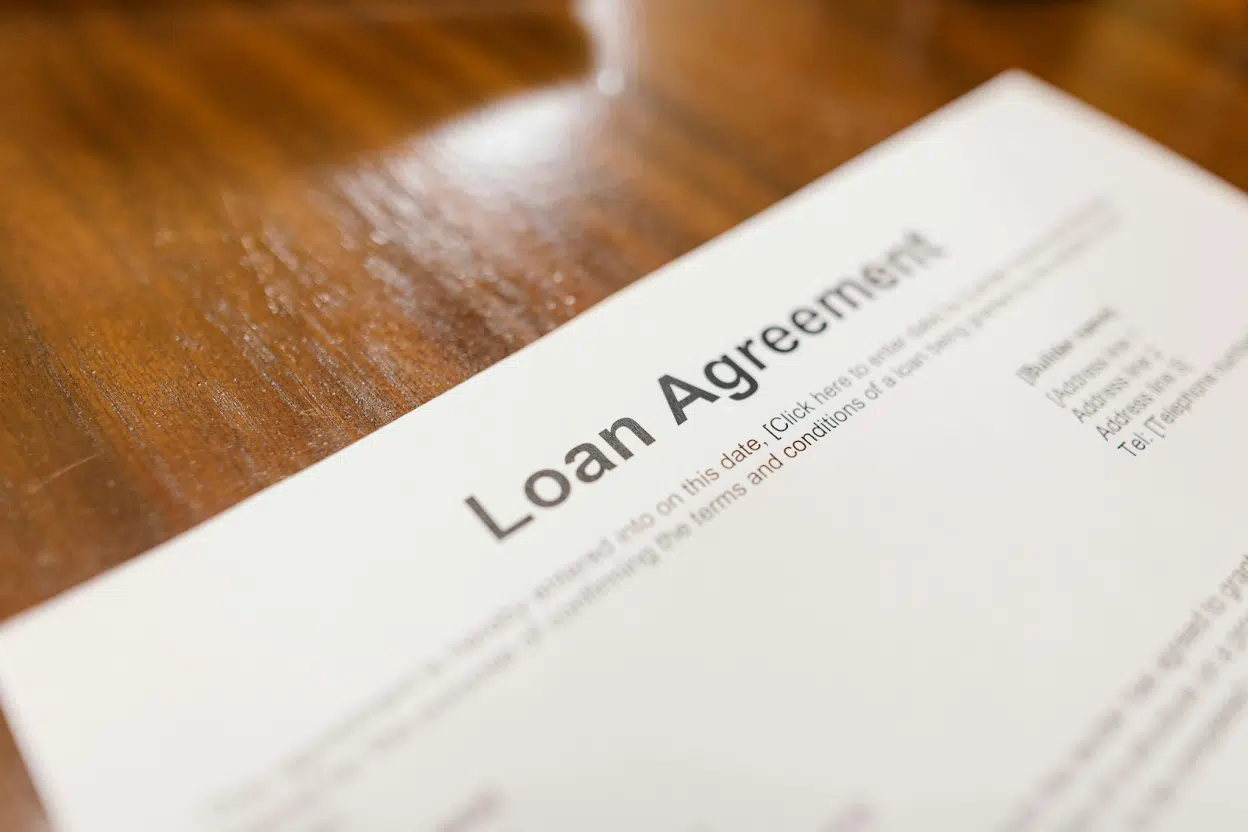
Demand Letter in Debt Collection: Template, Examples & Process Explained
Key Takeaways
- A demand letter is a formal written notice requesting payment of a past-due debt before further collection action begins.
- Effective demand letters include the debt amount, due date, references to supporting documentation, and a clear deadline for response.
- Sending a demand letter before escalating to a collection agency or legal action often preserves the business relationship.
- The demand letter process typically involves initial notice, a follow-up, and then escalation if the debtor does not respond.
- At Southwest Recovery Services, we help businesses recover unpaid invoices when demand letters do not yield results, on a contingency basis with professional, relationship-focused outreach.
Why Demand Letters Matter in B2B Debt Collection
A demand letter is a formal written notice sent to a debtor requesting payment of a past-due balance before escalating to collections or legal action. For B2B companies in industries like trucking, logistics, contracting, and oil and gas, it is often the most effective first step in recovering unpaid invoices while preserving the business relationship.
An effective demand letter states the amount owed, references the original invoice or contract, sets a clear payment deadline, and outlines consequences if payment is not received. The process typically moves from an initial formal notice to a follow-up letter, and then to engagement with a professional collection agency if the debtor remains unresponsive.
This article provides a ready-to-use demand letter template, a completed example based on a freight invoice scenario, and a step-by-step breakdown of the full collection process — from first notice through professional recovery — so your business can take a structured approach to collecting what it is owed.
|
Southwest Recovery Services: Get Your Money Back 20+ Years Experience | Texas-Based | Contingency Only – You Pay When We Collect
Built for Commercial Collections:
The Southwest Recovery Difference: ✓ Contingency only – no upfront costs ✓ Veteran collectors with respectful omnichannel outreach ✓ Priority sectors: trucking, logistics, contractors, oil & gas ✓ Clear reporting on account status and outcomes Trust & Results You Need: Nationally recognized ethical collections agency with 12 offices across six states. Compliance-first approach with no threats or guarantees. |

What Is a Demand Letter in Debt Collection?

A demand letter is a formal written communication sent to a debtor requesting payment of an outstanding balance. It serves as the first documented step in the collection process and signals that the creditor is serious about recovering the funds. In B2B contexts, the demand letter is especially important because it creates a paper trail, establishes a timeline, and often motivates payment without the need for legal escalation.
Unlike a casual reminder email, a demand letter carries a more formal tone and typically references the original agreement, the amount owed, and a specific deadline. It may also outline the consequences of non-payment, such as referral to a collection agency or initiation of legal proceedings. When done correctly, a demand letter balances firmness with professionalism—a critical factor when the debtor is a company you may want to continue doing business with.
What to Include in a Demand Letter
A strong demand letter is clear, complete, and leaves little room for misunderstanding. The following elements should be present in every demand letter sent for an unpaid B2B invoice.
- The letter should open with the creditor’s full business name, address, and contact information, followed by the debtor’s details.
- It must clearly state the total amount owed, including any applicable late fees or interest, and reference the original invoice number or contract.
- A specific payment deadline—usually 10 to 30 days from the date of the letter—should be included along with accepted payment methods.
- The letter should also briefly reference the debt’s history (original invoice date, services rendered, prior communication attempts).
- It can conclude with a statement about next steps if payment is not received. This might include referral to a professional collection agency or legal counsel.
The tone should remain professional throughout. Threatening or aggressive language undermines credibility and, in many industries, damages the commercial relationship.
Demand Letter Templates for B2B Debt Collection

[Your Company Name] [Your Address] [City, State, ZIP] [Date]
[Debtor Company Name] [Debtor Address] [City, State, ZIP]
Re: Past-Due Balance – Invoice #[Number] – $[Amount]
Dear [Debtor Contact Name],
We are writing to formally request payment of $[Amount] for [description of goods/services provided], as outlined in Invoice #[Number], issued on [Original Invoice Date].
Under the agreed-upon terms of [Net 30/Net 60/etc], this balance was due on [Due Date] and is now [number] days past due. We have previously reached out regarding this matter on [dates or brief description of prior attempts], but have not received payment or a response.
Please remit full payment no later than [Deadline Date] via [accepted methods: wire transfer, ACH, check, etc.].
If we do not receive payment or hear from you by that date, we will need to consider additional measures to recover this balance, which may include referral to a professional collection agency or pursuit of other remedies available under our agreement and applicable law.
We would much prefer to resolve this directly between us. If you need to discuss a payment arrangement or if there is a dispute regarding this invoice, please contact [Your Name] at [Phone] or [Email] at your earliest convenience.
Sincerely,
[Your Name]
[Your Title] [Your Company Name]
Sample: Unpaid Freight Invoice
Below is a completed example for a hypothetical trucking company seeking payment for delivered freight services.
Redline Freight LLC 4500 Commerce Dr Dallas, TX 75207 January 15, 2025
GreenField Distribution Co. 812 Industrial Blvd, Houston, TX 77001
Re: Past-Due Balance – Invoice #TRK-20241087 – $14,750.00
Dear Accounts Payable,
We are writing to formally request payment of $14,750.00 for freight transportation services completed on October 3, 2024, as outlined in Invoice #TRK-20241087, issued on October 4, 2024.
Under the agreed-upon Net 30 terms, this balance was due on November 2, 2024, and is now 74 days past due. We reached out by email on November 18 and December 9, and by phone on December 20, but have not received payment or a response.
Please remit full payment no later than February 1, 2025, via ACH transfer or company check.
If we do not receive payment or hear from you by that date, we will need to consider additional measures to recover this balance, including referring the matter to a third-party collection agency.
We would much prefer to resolve this directly. If you need to discuss a payment arrangement or have questions about this invoice, please contact Mark Torres at (214) 555-0173 or mtorres@redlinefreight.com at your earliest convenience.
Sincerely,
Mark Torres, CEO, Redline Freight LLC
The Demand Letter Process: First Notice, Follow-Up, & Escalation
Sending a demand letter fits within a broader collection process. Understanding where the letter falls helps businesses plan their approach and set realistic timelines.
The process typically begins when an invoice crosses the 30- to 60-day overdue mark and informal follow-ups have not produced payment. At this stage, the business sends its first formal demand letter. If no response is received within the stated deadline, a second and final demand letter may be sent, often with stronger language about escalation.
If the debtor still does not pay or respond after the second notice, the next step is usually escalation to a professional collection agency. Agencies that specialize in B2B recovery—particularly those operating on a contingency model—take on the account at no upfront cost to the creditor. Contingency fees in the commercial collections space generally range from 10% to 25%, depending on the age and size of the account.
For debts that remain unresolved after agency involvement, the final option is legal action. However, most commercial debts are resolved well before that point when the demand letter and agency outreach are handled properly.
How Southwest Recovery Services Supports the Demand Letter Process
At Southwest Recovery Services, we step in when demand letters and internal follow-ups have not produced results. With over 20 years of experience in commercial collections, we specialize in recovering past-due B2B invoices for companies with $10M to $100M in revenue, particularly in trucking, logistics, contracting, and oil and gas.
Our approach is built on a contingency-only model, meaning you pay nothing unless we collect. There are no retainers, no upfront fees, and no financial risk to your business. Our veteran collectors use respectful, omnichannel outreach across phone, email, text, and mail, supported by AI-guided tracking software that monitors every promise to pay. Our founder is involved daily in account oversight, ensuring nothing falls through the cracks.
We operate 12 offices across seven states and are nationally recognized for ethical, compliance-first collections. We do not use threats or make guarantees; we focus on professional recovery that protects your client relationships while getting your invoices paid.
If your demand letters are not getting responses, request a free quote and let us take it from there
Frequently Asked Questions (FAQs)
Is a demand letter legally required before sending a debt to collections?
A demand letter is not always legally required, but it is considered best practice. It creates a documented record of your collection effort and often prompts payment before further action is necessary.
How long should you wait after sending a demand letter?
Most demand letters give the debtor 10 to 30 days to respond. If no payment or communication is received within that window, the next step is typically engaging a professional collection agency.
Can a demand letter damage a business relationship?
A well-written demand letter should not damage the relationship. Professional, respectful language signals seriousness without hostility, which is especially important in ongoing B2B partnerships.
Should I send a demand letter by certified mail?
Certified mail provides proof of delivery, which can be valuable if the matter escalates. For high-value invoices, certified mail or a delivery-confirmed method is recommended.
What makes Southwest Recovery Services different from other collection agencies?
We operate on a contingency-only basis at Southwest Recovery Services with no upfront costs. With over 20 years in commercial collections, AI-guided tracking, and a compliance-first approach, we recover unpaid invoices while protecting your business relationships.
Note: Recovery rates mentioned are for general reference only and not guaranteed. Actual results vary by account and industry. Contact Southwest Recovery Services for a customized quote.


Maximize Your Cash Flow
We make it fast and easy to refer past due and delinquent accounts to our professional recovery agents. You decide the range on what you will accept on each case, and you ONLY pay a percentage of what we actually collect to resolve the case. Ready to get started, or want to learn more? Fill out this form and a dedicate account manager will call you to get started.