- Customer Service 866-837-3065 Make A Payment (866) 558-3328
- Client Portal
- Consumer Support
 Providing Creative Solutions to Common Problems
Providing Creative Solutions to Common Problems
Providing Creative Solutions to Common Problems


An unpaid invoice doesn’t technically expire, but your legal ability to enforce payment does. Every state sets a statute of limitations after which you lose the right to pursue the debt through the courts. Under the Uniform Commercial Code (UCC), contracts for the sale of goods carry a four-year window, while written service agreements and oral contracts vary widely by jurisdiction.
The practical risks set in well before the legal deadline. The likelihood of collecting on a delinquent account drops after 90 days, and the longer you wait, the harder debtors become to reach as they relocate, close operations, or enter bankruptcy. A structured chase timeline from courtesy reminders in the first 30 days to professional collection support beyond 90 is the most reliable way to protect your receivables.
This article breaks down the timelines that govern invoice validity, outlines a practical chase schedule at each stage of delinquency, and explains when it makes sense to bring in professional help before time runs out.
|
Southwest Recovery Services: Get Your Money Back 20+ Years Experience | Texas-Based | Contingency Only – You Pay When We Collect
Built for Commercial Collections:
The Southwest Recovery Difference: ✓ Contingency only – no upfront costs ✓ Veteran collectors with respectful omnichannel outreach ✓ Priority sectors: trucking, logistics, contractors, oil & gas ✓ Clear reporting on account status and outcomes Trust & Results You Need: Nationally recognized ethical collections agency with 12 offices across six states. Compliance-first approach with no threats or guarantees. |
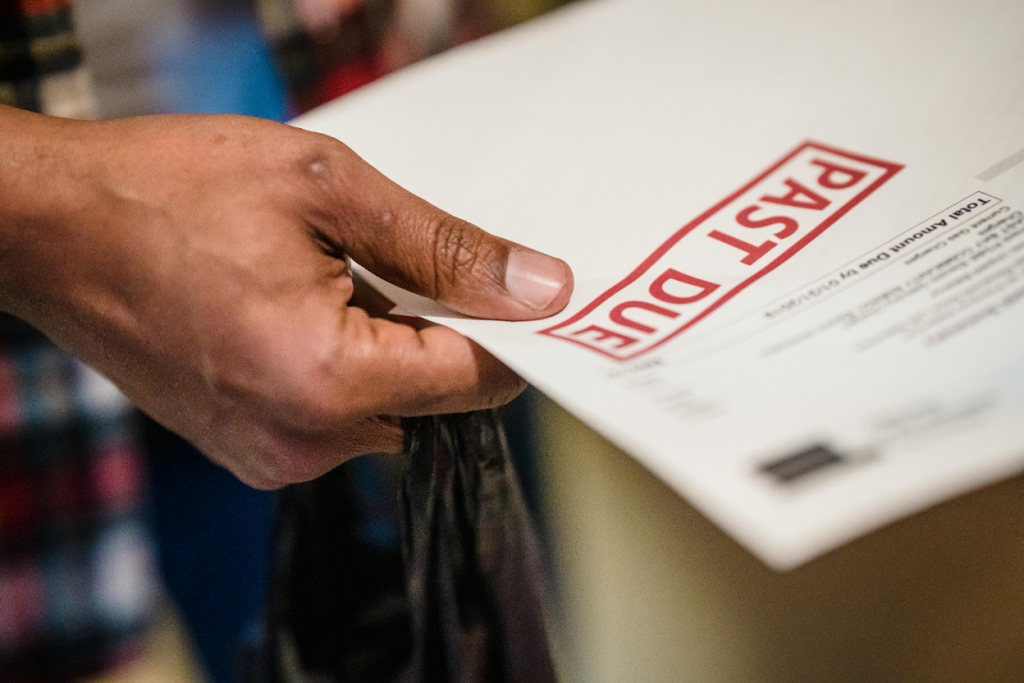
Invoices themselves don’t come with a built-in expiration date. A debt is still a debt, and a debtor’s obligation to pay doesn’t vanish simply because time has passed. However, your legal ability to enforce that obligation does have limits. Every state sets a statute of limitations on debt collection, and once that window closes, you lose the right to take the matter to court.
A debtor can still voluntarily pay an old invoice, and you can still ask for payment. But you can no longer use legal action as leverage, which significantly weakens your position. That’s why acting early and understanding your state’s specific rules is critical for any business that extends credit or invoices on net terms.
The timeline for pursuing an unpaid invoice depends on two main factors: the type of agreement behind the invoice and the state whose laws govern the contract.
Under the Uniform Commercial Code (UCC), contracts for the sale of goods carry a four-year statute of limitations. This applies to most standard B2B transactions involving physical products. For written contracts that don’t fall under the UCC, most states set a limitation period of 3 to 6 years, though some allow up to 10 years.
Oral agreements, which are less common in B2B but do occur, tend to have shorter windows, often up to 4 years. Open accounts, where goods or services are provided on a running tab without a formal contract, typically fall somewhere in between.
Because these timelines vary so widely, you must know which state’s laws apply to your invoices. The governing jurisdiction is usually the state specified in your contract terms, or the state where the transaction took place.

Timing is everything when chasing overdue invoices. A structured follow-up process not only improves recovery rates but also maintains the professional relationship with your client. Here’s how to approach each stage.
This is the courtesy phase. Many late payments at this stage may result from administrative oversights, disputes over deliverables, or simple cash flow timing. A polite reminder email referencing the invoice number, amount, and original due date is usually sufficient. Follow up with a phone call if the email goes unanswered within a week. The tone here should be professional and collaborative; you’re prompting action, not making demands.
At this point, the payment is clearly overdue and requires a firmer approach. Send a formal past-due notice that outlines the outstanding balance and any late fees specified in your contract. Phone outreach should increase in frequency, and it helps to document every interaction. This is also the stage to review your original agreement for any provisions related to interest on overdue amounts or escalation procedures.
Once an invoice reaches 60 days overdue, the probability of full recovery begins to drop. At this stage, issue a final demand letter that clearly states your intent to escalate if payment is not received. If internal efforts haven’t produced results, this is the practical cutoff for handling the matter in-house.
Invoices that remain unpaid for 90 days or more typically require outside intervention. Internal teams rarely have the tools, training, or bandwidth to pursue aged receivables effectively. This is where engaging a professional collection agency becomes the most cost-efficient path forward, especially under a contingency model where you pay nothing unless the debt is recovered.
Delaying collection efforts doesn’t just reduce your odds of getting paid; it can eliminate them. As time passes, debtors may relocate, close their businesses, file for bankruptcy, or simply become harder to reach. Internal records may become less reliable, and the debtor’s willingness to cooperate tends to erode.
Beyond the practical challenges, there’s the legal deadline. If the statute of limitations expires before you file a claim, courts will not enforce the debt. And in many states, partial payments or written acknowledgments can reset the clock, but only if you’re actively managing the account. Ignoring an aging invoice means forfeiting these opportunities.
The cost of inaction compounds over time. Businesses that implement a disciplined chase timeline and escalate to professional recovery before the 90-day mark consistently see better outcomes than those that let invoices age unchecked.

At Southwest Recovery Services, we specialize in recovering past-due business invoices for companies that can’t afford to let revenue slip through the cracks. With over 20 years of experience in commercial collections, we understand that every unpaid invoice represents both a financial loss and a business relationship that needs to be handled carefully.
Our approach is based on a contingency-only model, and we collect a fee only when we successfully recover your money. Contingency rates typically range from 10% to 25%, depending on account specifics. We use AI-guided tracking software that monitors every promise to pay across phone, email, text, and mail, with daily founder involvement ensuring no account goes unattended.
We operate 12 offices across seven states, with particular expertise in trucking, logistics, contractors, and oil and gas. Our veteran collectors use respectful, omnichannel outreach designed to recover what you’re owed without damaging the relationships you’ve built. We are a nationally recognized, compliance-first agency. We use no threats and make no empty promises, providing clear reporting and results-driven recovery instead.
You can still request payment, but you lose the right to enforce it through legal action. Debtors may pay voluntarily, though your leverage is significantly reduced once the legal deadline has passed.
No, simply sending a reminder or demand letter does not reset the clock. In most states, only a partial payment or a written acknowledgment of the debt by the debtor can restart the limitations period.
You can charge late fees only if they are outlined in your original contract or terms of service. Including clear late-payment terms upfront strengthens your position and encourages clients to pay on time.
Under a contingency model, there’s minimal risk because you pay nothing unless the debt is collected. This makes professional recovery viable even for smaller balances that your internal team may not prioritize.
At Southwest Recovery Services, we operate on a contingency-only basis with no upfront costs. We use AI-guided tracking across all communication channels and prioritize respectful outreach that protects your client relationships.
*Note: Recovery rates mentioned are for general reference only and not guaranteed. Actual results vary by account and industry. Contact Southwest Recovery Services for a customized quote.



We make it fast and easy to refer past due and delinquent accounts to our professional recovery agents. You decide the range on what you will accept on each case, and you ONLY pay a percentage of what we actually collect to resolve the case. Ready to get started, or want to learn more? Fill out this form and a dedicate account manager will call you to get started.